
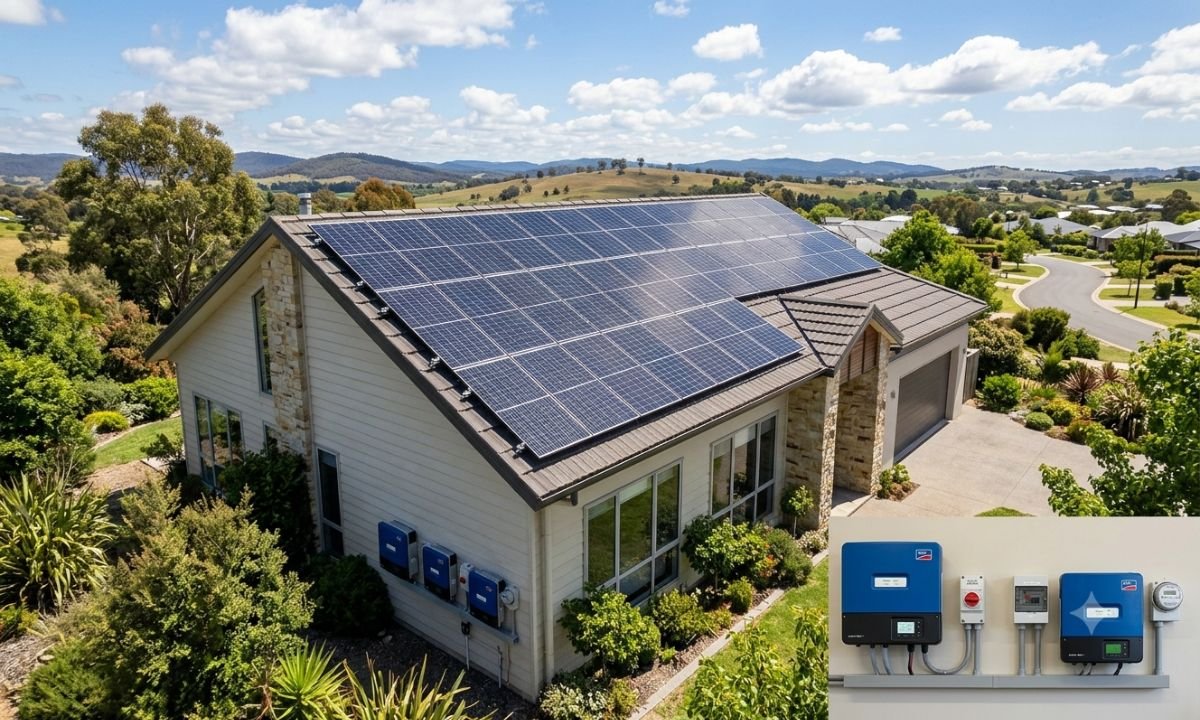
Solar power has become one of the smartest ways to save money in Pakistan. Electricity bills keep rising every year, and load shedding still bothers many homes and businesses. Because of this, more people are switching to solar energy for a stable and affordable power supply. A 12kW solar system is a popular choice among these options.
This system size works well for large homes, offices, and small businesses. It suits users who consume around 1,200 to 1,800 electricity units each month. Many 5 marla to 1 canal homes with heavy loads choose this size. It gives a good balance between power output and overall cost.
The price of a 12kW solar system in Pakistan changes based on several factors. These include the type of solar panels, inverter brand, and battery storage. A basic on-grid system without batteries usually costs less than a hybrid setup. A hybrid system with lithium batteries offers backup power but comes at a higher price.
Some companies offer 12kW solar packages starting from around Rs. 1,337,000 for hybrid systems without batteries. Prices can go higher when battery backup and premium inverters are added to the system. Installation quality and site conditions also affect the final cost. It is always best to get quotes from more than one solar provider.
Choosing the right 12kW solar system depends on your budget and power needs. On-grid systems give better returns through net metering. Hybrid systems protect you from load shedding but cost more upfront. Understanding these differences helps buyers make a smart and informed decision.
What Is a 12kW Solar System?
A 12kW solar system is a power plant for your roof. It makes 12,000 watts of electricity when the sun is strong. This power runs your fans, lights, ACs, fridge, and other home or office items.
This size is not for small houses. It is built for big homes, offices, clinics, and small shops. If your monthly bill is heavy, this system fits your needs well.
Who should choose a 12kW solar system?
- Homes on 5 marla to 1 kanal plots with heavy electricity use
- Offices with computers, printers, and lights running all day
- Shops and small showrooms with multiple ACs
- Clinics and small schools with steady daytime load
- Families using 3 to 5 split ACs at once
A 12kW system suits homes and businesses that use around 1,200 to 1,800 electricity units every month. If your bill is lower than this, a smaller system may save you money. If it’s higher, you may need a bigger system.
12kW Solar System Price in Pakistan 2026 (Quick Overview)
Here is a simple price table. These are average market rates. Prices change based on brand, battery size, and installer.
| System Type | Price Range (PKR) | Battery Backup |
| On-Grid (No Battery) | 1,100,000 – 1,400,000 | No |
| Hybrid (No Battery, Battery-Ready) | 1,300,000 – 1,600,000 | No, but upgradable |
| Hybrid with Lithium Battery (5-8 kWh) | 1,700,000 – 2,100,000 | Yes (Partial Backup) |
| Hybrid with Lithium Battery (10-15 kWh) | 2,200,000 – 2,700,000 | Yes (Full Backup) |
These prices include panels, inverter, mounting structure, wiring, and basic installation. Battery, net metering fees, and elevated structures may cost extra.
Why Do 12kW Solar System Prices Vary So Much?
Two people can ask for the same 12kW system and get very different quotes. This happens because solar pricing depends on many small parts, not just one number. Let’s break down each part.
1. Solar Panel Brand and Type
Panels are the biggest cost in any solar system. They usually make up 40% to 50% of the total price.
- Tier-1 panels (Jinko, LONGi, Canadian Solar, JA Solar) cost more but last longer and give better output.
- Local or unknown brand panels are cheaper but may have weaker performance and shorter life.
- N-type bifacial panels are the newest technology. They cost a bit more but catch sunlight from both sides.
- P-type mono panels are the standard choice. They give solid performance at a lower price.
For a 12kW system, you usually need around 17 to 22 panels, depending on the wattage of each panel (545W to 720W).
2. Inverter Brand and Capacity
The inverter changes solar power (DC) into home power (AC). It is the brain of your solar system.
Popular inverter brands in Pakistan for 12kW systems include Solis, GoodWe, Growatt, Huawei, and Sungrow. Each brand has a different price and warranty period.
- On-grid inverters are cheaper but only work when the grid supply is available.
- Hybrid inverters cost more but let you add a battery for backup power.
3. Battery Storage
This is where prices jump the most. A system without a battery is much cheaper than one with a battery.
- No battery: Solar only works during load shedding hours if the sun is present, but the inverter shuts down when the grid is off (unless it’s a true hybrid).
- Small battery (5-8 kWh): Powers a few lights, fans, and the fridge during an outage.
- Large battery (10-15 kWh): Powers ACs and heavy appliances even during long outages.
Lithium batteries cost more upfront than lead-acid batteries, but they last much longer (8 to 10 years vs. 2 to 3 years). This makes lithium a smarter long-term choice.
4. Mounting Structure
Your roof type affects the mounting cost. A simple flat roof structure costs less. If your site needs an elevated structure (for shade avoidance or roof space saving), it can add Rs. 5,000 to Rs. 7,000 per panel.
5. Installation and Labor
Good installers charge fair labor costs for wiring, safety devices, and proper panel placement. Cheap labor may skip safety parts like DC breakers and surge protectors, which can damage your system later.
6. Net Metering and Documentation Charges
If you want to connect your solar system to the grid and sell extra units back, you need net metering approval. This adds extra cost on top of your solar system price.
Complete Cost Breakdown of a 12kW Solar System
Here is how your money is usually spent when you buy a 12kW solar system.
| Component | Approximate Share of Total Cost |
| Solar Panels | 40% – 45% |
| Inverter | 12% – 15% |
| Battery (if included) | 20% – 30% |
| Mounting Structure | 8% – 10% |
| Wiring, Safety Devices & Labor | 10% – 12% |
| Net Metering Documentation | 2% – 4% |
Knowing this breakdown helps you understand where your money goes. It also helps you spot a quote that looks too cheap. If a price is much lower than the market average, something in this list is probably being cut.
12kW Solar System: On-Grid vs Hybrid vs Off-Grid
Choosing the right type of system matters as much as choosing the right price. Here is a simple comparison.
| Feature | On-Grid | Hybrid | Off-Grid |
| Works with WAPDA grid | Yes | Yes | No |
| Battery backup | No | Yes (optional) | Yes (required) |
| Works during load shedding | No | Yes | Yes |
| Net metering eligible | Yes | Yes | No |
| Upfront cost | Lowest | Medium to High | Highest |
| Best for | Low outage areas | Most homes and offices | Remote areas with no grid |
Most people in Pakistan today choose a hybrid 12kW system. It gives the best of both worlds: it saves money through net metering, and it keeps essential appliances running during power cuts.
How Much Electricity Does a 12kW Solar System Produce?
A 12kW system produces electricity based on sunlight hours in your city. On average, Pakistan gets 5 to 6 peak sun hours per day.
Simple daily output estimate:
- 12 kW × 5 sun hours = about 60 units (kWh) per day
- Monthly output = around 1,500 to 1,800 units, depending on season and weather
Output is higher in summer months (May to August) and lower in winter (December to February) due to shorter days and cloud cover. Dust on panels also reduces output, so regular cleaning matters.
Net Metering Policy Update: What Changed in 2026
This is one of the most important updates for anyone planning to buy solar in 2026. Pakistan’s solar rules changed this year, and every buyer should understand this before investing.
Key changes under the new Prosumer Regulations 2026:
- The old net metering system gave 1:1 credit. If you exported 100 units, you got 100 units of credit at the full rate.
- The new net billing system pays a lower rate for exported units, separate from the rate you pay for imported units.
- Consumers who signed net metering agreements before February 9, 2026, keep their old terms until their contract ends.
- New applicants now fall under net billing, with a lower buyback rate for exported electricity.
- A licensing fee applies per kW of installed capacity for new connections.
What this means for a 12kW system buyer in 2026:
Because export rates are now lower, self-consumption matters more than before. This means using your own solar power directly during the day is more valuable than sending extra units to the grid. A hybrid system with a battery helps you store extra power instead of exporting it at a lower rate.
If you use most of your electricity during the day (offices, shops, schools), you will benefit the most from a 12kW system, even under the new rules.
Step-by-Step Process to Install a 12kW Solar System
Many buyers don’t know the full process before installation. Here is a clear, simple guide.
- Check your electricity bill. Look at your average monthly units to confirm a 12kW system fits your usage.
- Get quotes from 3 to 4 installers. Compare panel brand, inverter brand, battery option, and warranty terms.
- Ask for a written quotation. It should list every item separately: panels, inverter, battery, structure, wiring, and labor.
- Check your roof space and sanctioned load. Your roof must have enough clear space, and your sanctioned electricity load should match or exceed your system size for net metering approval.
- Sign the agreement and pay the advance. Most companies ask for 50% to 70% advance and the rest after installation.
- Installation takes 3 to 7 days, depending on system size and site conditions.
- Apply for net metering through your installer or directly with your DISCO (LESCO, IESCO, MEPCO, K-Electric, etc.).
- Wait for inspection and approval. This can take a few weeks, depending on your area.
How to Choose the Right Company for a 12kW Solar System
Price is important, but it should never be the only factor. A cheap system with poor components can cost you more in repairs later.
Checklist before choosing an installer:
- Ask for the exact panel brand, wattage, and technology (P-type or N-type).
- Confirm the inverter brand and whether it is on-grid or hybrid.
- Check if the battery is lithium or lead-acid, and its exact kWh capacity.
- Ask about warranty: panels usually carry 10 to 25 years, inverters 5 to 10 years, and batteries 5 to 10 years.
- Read reviews or ask for references from past customers.
- Confirm if net metering documentation is included in the price or charged separately.
- Ask who handles after-sales service and how fast they respond to complaints.
A good installer explains every cost clearly and does not hide charges. If a company avoids answering direct questions about brand and specifications, that is a warning sign.
12kW Solar System Payback Period
Payback period means how many years it takes for your solar system to pay for itself through bill savings.
With electricity tariffs now crossing Rs. 47 per unit for many households, solar savings add up fast. A well-used 12kW system can pay itself back within 3 to 5 years, depending on:
- How much of your own solar power you use directly (self-consumption)
- Your local sunlight hours
- Whether you chose an on-grid or hybrid system
- The current net billing export rate in your area
After the payback period, your solar system continues to generate free electricity for another 15 to 20 years, since most panels carry a 25-year performance warranty.
Tips to Reduce Your 12kW Solar System Cost
You don’t have to overspend to get a reliable system. Here are practical ways to save money without cutting important safety parts.
- Skip the battery at first if your budget is tight. You can add a battery later once the inverter is already hybrid-ready.
- Choose mid-range Tier-1 panels instead of the most expensive premium brand. The performance difference is often small.
- Avoid elevated structures if your roof already has good sun exposure and space.
- Buy during off-season (winter months) when some companies offer lower prices to boost sales.
- Compare at least three quotations before finalizing any deal.
- Ask about bank installment plans. Some banks offer solar financing over several years, spreading the cost into smaller monthly payments.
Common Mistakes to Avoid When Buying a 12kW Solar System
Many buyers make costly mistakes because they rush the decision. Avoid these common errors:
- Choosing the cheapest quote without checking component quality. Low prices often mean weak panels or unbranded inverters.
- Ignoring the sanctioned load requirement. Net metering approval can get delayed or rejected if your sanctioned load doesn’t match.
- Skipping safety devices like DC/AC surge protectors and breakers to save a small amount of money.
- Not asking about warranty terms in writing. Verbal promises mean nothing without a signed document.
- Buying a system size that doesn’t match actual electricity use. An oversized or undersized system wastes money either way.
Maintenance Cost of a 12kW Solar System
Solar systems need very little maintenance, but a small yearly budget keeps performance high.
| Maintenance Task | Frequency | Approx. Cost (PKR/Year) |
| Panel cleaning | Monthly to Quarterly | 3,000 – 8,000 |
| General inspection | Twice a year | Often free with warranty |
| Battery health check | Yearly | 2,000 – 5,000 |
| Inverter servicing | As needed | 3,000 – 10,000 |
Dust, bird droppings, and pollution reduce panel efficiency over time. Regular cleaning keeps your system producing close to its full capacity.
FINAL WORDS
A 12kW solar system is a smart investment for 2026. It suits large homes, offices, and small businesses with high electricity needs. The rising cost of WAPDA bills makes solar a practical long-term choice. Once installed, it keeps saving money for many years.
The price of this system depends on your specific needs. Panel quality, inverter brand, and battery size all affect the final cost. A simple on-grid setup costs less than a hybrid system with backup. Your budget and power requirements should guide your final choice.
Before buying, always compare quotes from different solar companies. Ask about warranty, after-sales service, and installation quality. Cheap systems may save money now but cost more in repairs later. A trusted provider with good reviews is always a safer option.
Government support and net metering also add value to your investment. Net metering lets you sell extra electricity back to the grid. This reduces your payback time and increases long-term savings. Many banks also offer easy installment plans for solar systems.
In the end, a 12kW solar system is a wise decision for 2026. It offers power security, bill savings, and protection from load shedding. With the right components and proper installation, it serves you for many years. Solar energy remains one of the best investments for Pakistani homes and businesses today.
FAQs
What is the 12kW Hybrid Solar System price in Pakistan?
A 12kW hybrid solar system usually costs between Rs. 1,700,000 and Rs. 2,700,000 in Pakistan. The price depends on battery size, inverter brand, and panel quality. A hybrid system without a battery costs less, closer to Rs. 1,300,000 to Rs. 1,600,000.
Has the 12kW solar system price changed much since 2022?
Yes, prices have shifted a lot since 2022. Panel prices have actually dropped due to more local competition, but battery and inverter costs rose because of currency changes and import duties. Overall system prices in 2026 are more stable, and buyers now get better technology for similar money.
How much does a 540 Watt solar panel cost in Pakistan?
A 540 watt solar panel usually costs between Rs. 22,000 and Rs. 28,000 in Pakistan. The exact price depends on the brand and whether it uses P-type or N-type cell technology. Tier-1 brands cost a bit more than local or unbranded panels.
What is the general solar panel price in Pakistan in 2026?
Solar panel prices in 2026 range from about Rs. 24 to Rs. 35 per watt. This means a single panel can cost anywhere from Rs. 22,000 to Rs. 35,000, depending on wattage and brand. N-type bifacial panels sit at the higher end, while standard monofacial panels are more affordable.
How much does a 12 KVA solar inverter cost in Pakistan?
A 12 KVA (12kW) solar inverter typically costs between Rs. 350,000 and Rs. 420,000 in Pakistan. Hybrid inverters cost more than simple on-grid inverters because they support battery connection. Brand choice, such as Solis, GoodWe, or Growatt, also affects the final price.
What is the price of a 550 watt solar panel today?
A 550 watt solar panel currently costs around Rs. 23,000 to Rs. 29,000 in Pakistan. Prices change slightly week to week based on dollar rate and import costs. It is best to check with a local supplier for the latest daily rate.
How much does a 580 watt solar panel cost today?
A 580 watt solar panel usually costs between Rs. 24,000 and Rs. 31,000 in Pakistan. This panel size is popular for both home and commercial systems. Prices vary slightly between Jinko, Longi, and Canadian Solar brands.
What is the 10kW solar system price in Pakistan?
A 10kW solar system in Pakistan generally costs between Rs. 950,000 and Rs. 1,600,000. An on-grid system without a battery sits at the lower end, while a hybrid system with lithium battery backup costs more. This size suits large homes and small offices with moderate electricity use.