
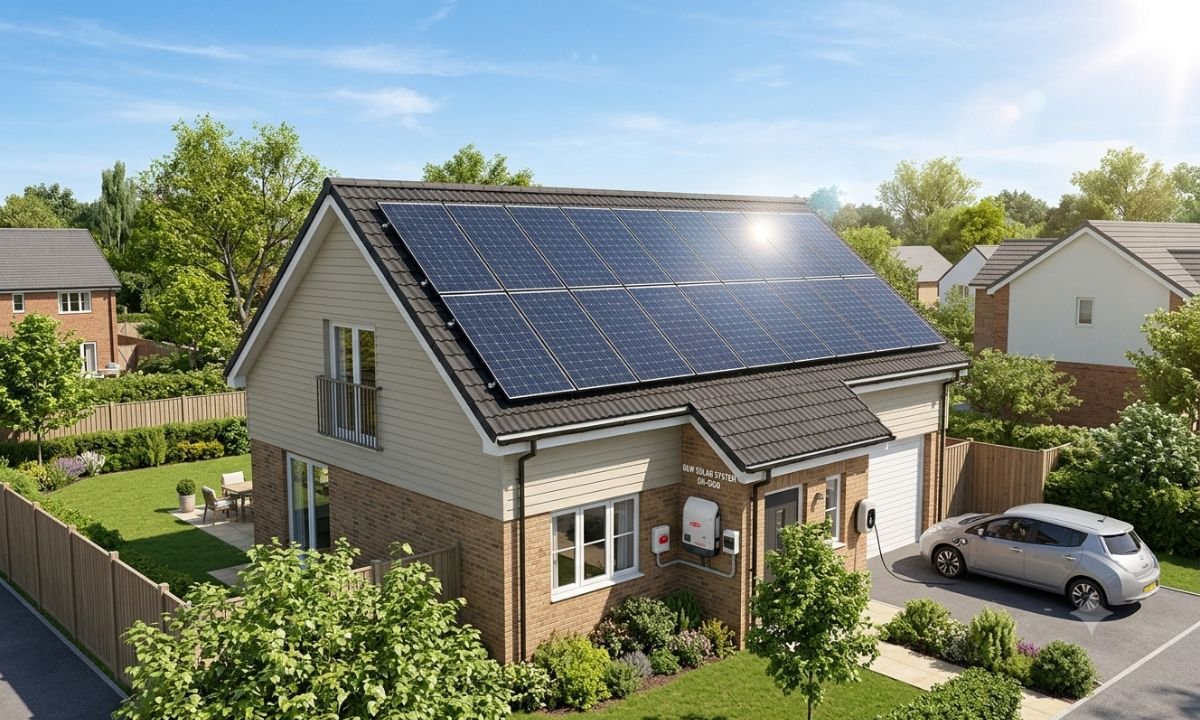
Solar power is becoming very popular in Pakistan. More homes and businesses want to save money on electricity bills. An 8kW solar system is a strong choice for medium to large homes. It gives enough power to run most home appliances easily.
Many people ask about the price of an 8kW solar system in 2026. The cost depends on the brand, panel type, and inverter quality. On average, prices change due to market rates and import costs. Still, this system remains affordable compared to past years.
Load shedding and rising electricity bills are common problems in Pakistan. This is why families are shifting toward solar energy. An 8kW system can power fans, lights, fridges, and even air conditioners. It gives peace of mind during long power outages.
The price also depends on whether you choose an on-grid, off-grid, or hybrid system. Hybrid systems cost more but offer better backup support. On-grid systems are cheaper but need a stable electricity connection. Your choice should match your daily power needs.
This guide will explain the full price details of an 8kW solar system in 2026. We will cover panel costs, inverter prices, and installation charges. By the end, you will understand which option fits your budget best.
What Is an 8kW Solar System?
An 8kW solar system is a medium-to-large size solar setup. It is made of solar panels, an inverter, wires, and a mounting structure. This system can produce enough power for a big house or a small shop.
The letters “kW” stand for kilowatt. One kilowatt equals 1,000 watts of power. So an 8kW system has a total power output of 8,000 watts.
This size of system is very popular in Pakistan right now. It fits homes that use a lot of electricity every month. It is also a good choice for people tired of high WAPDA bills and long load shedding hours.
8kW Solar System Price in Pakistan 2026 (Quick Answer)
If you are in a hurry, here is the short answer. In 2026, an 8kW solar system price in Pakistan ranges between PKR 750,000 and PKR 1,050,000 for a simple on-grid system without a battery.
A hybrid 8kW system, which can store power in a battery, costs between PKR 1,100,000 and PKR 1,700,000. The final price depends on the panel brand, inverter brand, battery size, and installation charges.
Below is a simple table so you can see the full picture at a glance.
| System Type | Battery Included | Price Range (PKR) |
| On-Grid 8kW System | No | 750,000 – 1,050,000 |
| Hybrid 8kW System (No Battery) | No | 950,000 – 1,150,000 |
| Hybrid 8kW System (5kWh Battery) | Yes | 1,200,000 – 1,450,000 |
| Hybrid 8kW System (10kWh Battery) | Yes | 1,400,000 – 1,750,000 |
| Off-Grid 8kW System (with battery bank) | Yes | 1,500,000 – 2,000,000 |
Keep in mind that prices change often. Panel rates, dollar value, and shipping costs can push prices up or down within a few weeks.
Why Are People Choosing 8kW Solar Systems in 2026?
Electricity bills in Pakistan have become very hard to manage. Many homes now pay more than PKR 30,000 to PKR 70,000 every month. This is a heavy burden for an average family.
At the same time, load shedding is still common in many cities and villages. People lose power for hours during summer, right when they need fans and air conditioners the most.
An 8kW solar system solves both problems at once. It cuts your electricity bill by a huge amount. And if you choose a hybrid system with a battery, it also gives you backup power during outages.
Here are the main reasons families and small business owners pick this size in 2026:
- It fits homes between 10 marla and 1 kanal in size.
- It can run 2 to 3 air conditioners along with normal home appliances.
- It gives a fast return on investment compared to smaller systems.
- It works well for small shops, clinics, and offices with daytime electricity use.
- It is not too big or too expensive like a 15kW or 20kW commercial system.
How Much Electricity Does an 8kW Solar System Produce?
This is one of the most common questions people ask before buying. On a normal sunny day in Pakistan, an 8kW system can produce around 30 to 40 units of electricity.
Over a full month, this adds up to roughly 900 to 1,200 units, depending on your city, weather, and panel direction. Cities with more sunlight, like Multan or Bahawalpur, usually get a bit more output than cities with more clouds or dust.
This amount of electricity is enough to run most home appliances, including:
- Ceiling fans and lights in every room
- A refrigerator and a deep freezer
- A washing machine
- An LED TV and internet router
- Two to three split air conditioners (used carefully, not all day at once)
If your monthly WAPDA bill is between PKR 30,000 and PKR 70,000, an 8kW system is usually the perfect match for your home.
Full Breakdown of 8kW Solar System Price in Pakistan 2026
The total price of a solar system is not just one single number. It is made up of several parts. Let’s break down each part so you understand exactly where your money goes.
1. Solar Panel Price
Solar panels are the biggest part of the total cost. In 2026, panel prices in Pakistan range between PKR 24 to PKR 35 per watt, depending on the brand and quality.
For an 8kW system, you will need around 14 to 16 panels, depending on the wattage of each panel (usually 550W to 585W panels are used).
| Panel Grade | Price Per Watt (PKR) | Approx. Cost for 8kW |
| Grade A (Tier-1 Brands) | 30 – 35 | 240,000 – 280,000 |
| Grade B (Standard Brands) | 24 – 28 | 192,000 – 224,000 |
Simple tip: Always choose Grade A panels if your budget allows it. They last longer, produce more power, and come with a stronger warranty.
2. Inverter Price
The inverter is the brain of your solar system. It changes the direct current (DC) power from panels into alternating current (AC) power that your home appliances can use.
For an 8kW system, you need an inverter rated at least 8kW output. Some sellers try to sell a 6kW inverter with 8kW worth of panels, which is not correct and reduces performance.
| Inverter Type | Price Range (PKR) |
| On-Grid Inverter (8kW) | 150,000 – 220,000 |
| Hybrid Inverter (8kW) | 220,000 – 350,000 |
Popular inverter brands in Pakistan include Growatt, Solis, Huawei, Deye, and Luminous. Hybrid inverters cost more, but they let you connect a battery and manage power more smartly.
3. Battery Price (Optional but Useful)
If you want backup power during load shedding, you need a battery. Lithium batteries are now more popular than old lead-acid batteries because they last much longer.
| Battery Type | Capacity | Price Range (PKR) |
| Lead-Acid Battery | 5kWh (approx.) | 150,000 – 250,000 |
| Lithium Battery | 5kWh | 280,000 – 400,000 |
| Lithium Battery | 10kWh | 500,000 – 700,000 |
Lithium batteries cost more upfront, but they last 8 to 10 years or longer with proper care. Lead-acid batteries are cheaper but usually need replacement every 2 to 3 years.
4. Mounting Structure and Installation
Your panels need a strong structure to sit on your roof. This structure must handle wind, rain, and heavy dust. Cheap structures can bend or break during storms.
- Basic C-channel structure: PKR 15,000 – 20,000 per kW
- Heavy-duty H-beam structure: PKR 20,000 – 30,000 per kW
For an 8kW system, expect to pay roughly PKR 120,000 to PKR 240,000 for structure and labor combined, depending on your roof type and location.
5. Wiring, Safety Devices, and Net Metering
This part is often forgotten, but it matters a lot for safety. It includes DC cables, AC cables, circuit breakers, earthing, and surge protection devices.
This part usually costs between PKR 40,000 and PKR 80,000 for an 8kW system. If you want net metering (selling extra electricity back to WAPDA), you also need to pay government and DISCO charges, which can range from PKR 15,000 to PKR 30,000.
On-Grid vs Hybrid vs Off-Grid: Which One Should You Choose?
This is the most important decision you will make. Each system type works differently and fits different needs.
On-Grid 8kW System
An on-grid system connects directly to the WAPDA power line. It has no battery. During the day, your panels power your home and send extra electricity back to the grid through net metering.
Good for:
- People who want the cheapest solar option
- Areas with stable electricity supply
- Daytime businesses like shops and offices
Not good for:
- Areas with frequent and long load shedding, since the system shuts down when WAPDA power goes off (this is a safety rule, not a fault)
Hybrid 8kW System
A hybrid system also connects to the grid, but it adds a battery. During the day, it powers your home and charges the battery. At night or during load shedding, it uses the stored battery power.
Good for:
- Homes with frequent load shedding
- Families who want backup for fans, lights, and fridge during outages
- People who want to slowly upgrade their battery size later
Off-Grid 8kW System
An off-grid system does not connect to WAPDA at all. It runs completely on solar panels and a large battery bank.
Good for:
- Remote areas with no WAPDA connection
- Farmhouses, tube wells, and rural properties
Not good for:
- City homes, since it needs a bigger battery bank and costs more than hybrid systems
Here is a simple comparison table to help you decide:
| Feature | On-Grid | Hybrid | Off-Grid |
| Needs WAPDA connection | Yes | Yes | No |
| Battery backup | No | Yes | Yes |
| Works during load shedding | No | Yes | Yes |
| Net metering possible | Yes | Yes | No |
| Price | Lowest | Medium to High | Highest |
| Best for | Stable areas | Load shedding areas | Remote/rural areas |
Best Solar Panel Brands for 8kW Systems in Pakistan
Choosing a good panel brand makes a big difference in how long your system lasts. Here are some trusted names available in the Pakistani market in 2026:
- Jinko Solar – Known for strong output and good warranty support.
- Longi Solar – Popular for high efficiency and durability.
- Canadian Solar – Trusted brand with wide availability across Pakistan.
- JA Solar – Good balance of price and performance.
- Trina Solar – Reliable option used by many installers.
Always ask your installer for the panel’s official warranty card and datasheet. This protects you if something goes wrong later.
Best Inverter Brands for 8kW Systems
The inverter you choose affects how smoothly your system runs and how easy it is to monitor.
- Huawei – Known for smart monitoring apps and strong build quality.
- Growatt – A popular mid-range choice with good hybrid options.
- Solis – Reliable and widely available across Pakistan.
- Deye – Known for strong hybrid and off-grid performance.
- Luminous – A trusted local favorite for home systems.
Factors That Affect 8kW Solar System Price in Pakistan
Many buyers ask why prices are different from shop to shop. Here are the real reasons behind price differences.
1. Panel Quality (Grade A vs Grade B)
Grade A panels use better materials and testing. They produce more electricity over their lifetime. Grade B panels are cheaper but may lose efficiency faster.
2. Brand Reputation
Well-known international brands charge more because they offer better warranties, usually 12 years for the product and 25 years for performance. Local or unknown brands are cheaper but riskier.
3. Battery Size and Type
Adding a battery, especially a lithium one, increases the price a lot. The bigger the battery, the more backup hours you get, but the higher the cost.
4. Dollar Exchange Rate
Most solar equipment is imported. When the Pakistani rupee weakens against the dollar, solar prices usually go up within days.
5. Installation Company
Experienced and certified installers may charge more for labor. But they also reduce the risk of wiring mistakes, roof damage, or fire hazards.
6. Your City and Roof Type
Transport costs and roof complexity can change the price slightly. A flat concrete roof is usually cheaper to install on than a slanted tin roof.
Monthly Savings: How Much Can You Save With an 8kW System?
This is the part everyone really cares about. Let’s look at real numbers.
If your current WAPDA bill is around PKR 40,000 to PKR 70,000 per month, an 8kW solar system can reduce that bill by 80% to 95%, depending on your usage pattern and system type.
| Current Monthly Bill (PKR) | Estimated Bill After Solar (PKR) | Monthly Savings (PKR) |
| 30,000 | 3,000 – 6,000 | 24,000 – 27,000 |
| 50,000 | 5,000 – 8,000 | 42,000 – 45,000 |
| 70,000 | 7,000 – 10,000 | 60,000 – 63,000 |
These numbers are estimates. Your actual savings depend on how much sunlight your area gets, your appliance usage, and how well your system is maintained.
Payback Period: When Will Your System Pay for Itself?
The payback period is the time it takes for your savings to equal the amount you spent on the system. After that point, the electricity you generate is basically free.
For an 8kW on-grid system costing around PKR 850,000, most families see full payback within 2.5 to 4 years, depending on their bill size before solar.
Hybrid systems cost more upfront, so their payback period is usually a bit longer, around 3 to 5 years. But they also give you the extra benefit of backup power, which has real value during long outages.
After the payback period, your solar system keeps saving you money for many more years, often 20 to 25 years total, since good panels come with long warranties.
Step-by-Step Guide: How to Buy an 8kW Solar System
Buying a solar system is a big decision. Follow these simple steps to avoid common mistakes.
- Check your average monthly bill. Look at your last 6 to 12 months of bills to understand your real usage.
- Decide between on-grid, hybrid, or off-grid. Base this on how often you face load shedding.
- Get at least 3 quotations. Compare prices from different installers before deciding.
- Ask for the full breakdown. Make sure the quote includes panels, inverter, structure, wiring, and labor separately.
- Confirm brand names and warranty. Do not accept vague terms like “branded panels” without a specific company name.
- Check if the installer is registered. For net metering, your installer should be registered with AEDB (Alternative Energy Development Board).
- Ask about after-sales support. Find out who you can call if something breaks after installation.
- Pay in stages. Many installers accept 50% advance and 50% after installation and testing. Avoid paying the full amount upfront.
Common Mistakes to Avoid When Buying an 8kW Solar System
Many people lose money because of small mistakes. Here is what to watch out for.
- Buying an undersized inverter. Some sellers pair an 8kW panel array with a 6kW inverter to cut costs. This limits your system’s real output.
- Choosing the cheapest quote without checking quality. A very low price often means low-quality panels or a weak structure.
- Skipping the structural check. Old roofs may not be strong enough for 14 to 16 heavy panels. Always ask for a roof check first.
- Ignoring the warranty documents. Always get warranty papers with the brand name, model number, and dealer stamp.
- Not asking about maintenance. Panels need occasional cleaning, especially in dusty areas, to keep working at full power.
Maintenance Tips to Keep Your 8kW System Working Well
A solar system does not need daily attention, but a little care goes a long way.
- Clean the panels every 2 to 4 weeks to remove dust, especially in dry cities.
- Check cable connections once every few months for any loose wires.
- Keep an eye on your inverter’s app or display for error messages.
- Trim any trees or branches that start to shade your panels.
- Get a professional check-up once a year, especially before summer season starts.
Is an 8kW Solar System Right for You?
An 8kW system is not for every home. It works best for a specific type of user. Use this quick checklist to see if it fits your needs.
An 8kW system is a good match if:
- Your monthly WAPDA bill is between PKR 30,000 and PKR 70,000
- You live in a 10 marla to 1 kanal house
- You run 2 to 3 air conditioners along with normal appliances
- You want strong savings without moving to a full commercial-size system
You may need a bigger system if:
- Your bill is regularly above PKR 80,000
- You run more than 3 air conditioners at the same time
- You own a business with heavy machines or large cooling needs
A smaller system may be enough if:
- Your bill is usually under PKR 25,000
- You live in a small house or apartment with few appliances
FINAL WORD
An 8kW solar system is a smart investment for Pakistani homes in 2026. It covers your daily electricity needs without much trouble. The upfront cost may seem high, but the long-term savings are worth it.
Choosing the right system depends on your budget and power usage. Hybrid systems offer more comfort during load shedding. On-grid systems save money if your area has stable electricity. Pick the one that suits your lifestyle.
Quality matters more than just price. Cheap panels or inverters may cost less now but fail sooner. Always choose trusted brands and reliable installers. This ensures your system lasts many years without big repairs.
Solar energy also helps reduce your carbon footprint. It is a clean and renewable source of power. Every household that switches to solar helps the environment a little more.
In the end, an 8kW solar system is a wise choice for 2026. It brings lower bills, backup power, and long-term peace of mind. With the right planning, you can enjoy uninterrupted electricity for years to come.
FAQs
How much does 8 kW solar system cost in Pakistan?
An 8kW solar system price in Pakistan 2026 ranges from PKR 750,000 to PKR 1,050,000 for a simple on-grid setup. Hybrid systems with a battery cost more, usually between PKR 1,200,000 and PKR 1,700,000.
How many AC can run on an 8kW solar system?
An 8kW solar system can comfortably run 2 to 3 split air conditioners along with normal home appliances like fans, lights, and a fridge. Running more than 3 ACs at once may need a bigger system size.
Which solar panel is best in Pakistan in 2026?
Jinko Solar, Longi Solar, Canadian Solar, and JA Solar are among the best and most trusted panel brands in Pakistan right now. They offer strong output, long warranties, and easy availability across the country.
What is the cost of 8 KVA solar system?
An 8 KVA solar system usually costs close to an 8kW system, ranging from PKR 800,000 to PKR 1,100,000 depending on panel and inverter brand. Adding a battery for backup can push the price higher, up to PKR 1,700,000.
What is the cost of Solar Max 8kW inverter in Pakistan?
A Solar Max 8kW inverter in Pakistan typically costs between PKR 180,000 and PKR 280,000, depending on whether it is an on-grid or hybrid model. Prices can shift with dollar rate changes and current market demand.
How many solar panels do I need for an 8kW system?
For an 8kW system, you generally need 14 to 16 solar panels, depending on the wattage of each panel used. Most installers in Pakistan use 550W to 585W panels to build this system size.