
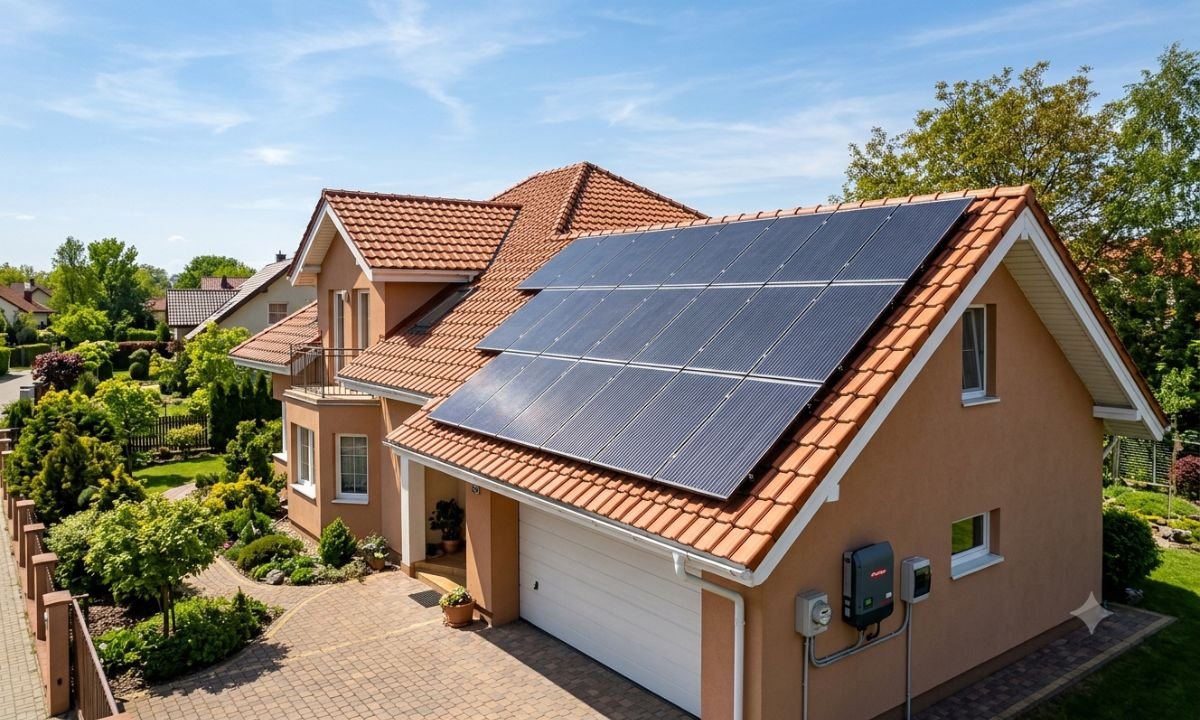
Solar power is becoming the top choice for homes and businesses across Pakistan. Rising electricity bills and frequent load shedding have pushed many families to look for a reliable backup option. A 10kW solar system is a popular size for large houses, joint families, and small businesses. It can easily run multiple air conditioners, refrigerators, and other heavy appliances at once.
Adding a lithium battery makes this system even more powerful. Unlike old lead-acid batteries, lithium batteries charge faster and last much longer. They also need no water top-ups or regular maintenance. This makes them a smart long-term investment for anyone who wants power around the clock.
In 2026, the price of a 10kW solar system with lithium battery in Pakistan generally falls between PKR 1.2 million and PKR 1.8 million. The exact cost depends on the brand of panels, the inverter you choose, and the battery capacity. Import duties and dollar rates also play a role in the final price. It’s always best to compare a few dealers before making a decision.
This guide will walk you through everything you need to know about 10kW solar systems in 2026. We will cover system components, battery options, and installation costs. You will also learn how much you can save on your monthly electricity bill. By the end, you’ll have a clear idea of what to expect before you invest.
What Is a 10kW Solar System?
A 10kW solar system is a power setup that can produce about 10,000 watts of electricity at peak sunlight. It is one of the most popular sizes in Pakistan today. Large homes, joint family houses, small shops, and small factories use it every day.
This system size sits in a sweet spot. It is big enough to run heavy appliances like air conditioners and water pumps. At the same time, it is not too large or too expensive for a normal household budget.
A 10kW solar system usually includes solar panels, an inverter, mounting structure, wiring, and safety devices. When you add a lithium battery, the system can also store power. This means you get electricity even during load shedding.
10kW Solar System Price in Pakistan 2026
The price of a 10kW solar system in Pakistan changes based on the type of system you pick. There are three main types: on-grid, hybrid, and off-grid. Each one has a different price and a different purpose.
Here is a simple price table based on current 2026 market rates.
| System Type | Battery Included? | Price Range (PKR) | Best For |
| On-Grid (no battery) | No | 950,000 – 1,200,000 | Areas with stable grid power |
| Hybrid with Lithium Battery | Yes | 1,300,000 – 1,900,000 | Areas with load shedding |
| Off-Grid with Lithium Battery | Yes | 1,500,000 – 2,200,000 | Areas with no grid connection |
Important note: These prices change often. Panel prices, inverter brands, dollar rate, and battery size all affect the final cost. Always ask for a written quotation before you pay any advance.
Why Hybrid Systems Are the Most Popular Choice
Most buyers in Pakistan now choose the hybrid option. A hybrid system connects to the grid, works with solar panels, and also stores power in a lithium battery. This combination gives you three layers of safety.
If the sun is out, you use solar power. If the battery is charged, you use stored power at night. If both are unavailable, the grid steps in. This is why hybrid systems with lithium batteries are the smart pick for 2026.
Lithium Battery Price in Pakistan 2026
Lithium batteries are priced by their storage size, which is measured in kWh (kilowatt-hours). A bigger battery costs more but gives longer backup time.
| Battery Capacity | Approximate Price (PKR) | Backup Time (Average Home) |
| 5 kWh | 185,000 – 260,000 | 3 – 5 hours |
| 10 kWh | 380,000 – 520,000 | 6 – 9 hours |
| 15 kWh | 550,000 – 750,000 | 10 – 14 hours |
Backup time depends on how many appliances you run at the same time. Running one fan and a few lights will give you longer backup than running two air conditioners together.
Popular Lithium Battery Brands in Pakistan
Several brands are trusted by installers across the country. Each one has its own price point and warranty terms.
- Pylontech – Known for strong build quality and long warranty
- Dyness – Popular for its balance of price and performance
- Knox – A budget-friendly option with growing dealer support
- Growatt – Often bundled with Growatt inverters for easy compatibility
- Local Pakistani brands – Cheaper option with shorter warranty periods
Always check the warranty period before buying. Most good lithium batteries come with a 5 to 10 year warranty. A longer warranty usually means better cell quality inside the battery.
Complete Cost Breakdown of a 10kW Hybrid System
Many people wonder where exactly their money goes when they buy a 10kW hybrid solar system. Here is a clear breakdown to help you understand the full cost.
| Component | Approximate Cost (PKR) |
| Solar Panels (17-18 panels, 585W each) | 400,000 – 500,000 |
| Hybrid Inverter (10kW) | 250,000 – 400,000 |
| Lithium Battery (10 kWh) | 380,000 – 520,000 |
| Mounting Structure | 80,000 – 120,000 |
| Wiring, Breakers, and Safety Devices | 50,000 – 80,000 |
| Installation Labor | 60,000 – 100,000 |
| Net Metering Application (if applicable) | 25,000 – 45,000 |
| Total Estimated Cost | 1,300,000 – 1,900,000 |
This breakdown shows that panels and the battery together make up more than half the total cost. Choosing the right battery size for your actual need can save you a large amount of money.
On-Grid vs Hybrid vs Off-Grid: Which One Should You Choose?
Choosing the right system type is one of the biggest decisions you will make. Each type works differently and suits a different kind of home.
| Feature | On-Grid | Hybrid | Off-Grid |
| Works during load shedding | No | Yes | Yes |
| Needs battery | No | Yes | Yes |
| Net metering eligible | Yes | Yes | No |
| Upfront cost | Lowest | Medium-High | Highest |
| Best for | Stable grid areas | Most homes | Remote areas, no grid |
On-grid systems are the cheapest, but they shut down completely during a power outage. This is because of a safety feature that stops the system from sending power into a “dead” grid line, which protects utility workers.
Hybrid systems solve this problem. They keep your essential appliances running during outages by switching to battery power automatically. This is why most homes in Pakistan now prefer hybrid setups.
Off-grid systems work completely independent of WAPDA. These are best for areas where the grid connection is weak, unreliable, or simply not available.
Lithium Battery vs Lead-Acid Battery: A Simple Comparison
Many people still ask whether lithium batteries are really worth the extra cost compared to old tubular or lead-acid batteries. Here is an honest comparison.
| Feature | Lithium Battery | Lead-Acid Battery |
| Lifespan | 10 – 15 years | 3 – 5 years |
| Charge cycles | 4,000 – 6,000+ | 800 – 1,500 |
| Weight | Light (45-55 kg for 5kWh) | Heavy (150-200 kg for similar backup) |
| Maintenance | None | Regular water top-up needed |
| Charging speed | Fast | Slow |
| Usable capacity (Depth of Discharge) | 90 – 100% | 50% |
| Upfront price | Higher | Lower |
| Long-term cost | Lower over 10 years | Higher over 10 years |
The biggest difference is the depth of discharge. A lead-acid battery can only safely use about half its stated capacity. A lithium battery can use almost all of it. This means a smaller lithium battery often gives the same real backup as a much bigger lead-acid battery.
Over a ten-year period, most buyers end up spending less money with lithium. This is because they avoid buying two or three replacement lead-acid batteries during that same time.
How Many Panels and What Size Inverter Do You Need?
A 10kW system typically needs 17 to 18 solar panels if you use 585-watt panels. If you choose smaller panels, you may need a few more to reach the same total output.
The inverter size should match your panel output closely. Most installers recommend a 10kW hybrid inverter for a 10kW panel setup. Going too small on the inverter can waste some of your solar power on sunny days.
Roof Space Requirement
A 10kW system needs around 1,800 to 2,000 square feet of roof space. This includes space between panel rows for cleaning and airflow.
- Check your roof’s structural strength before installation
- A full 10kW setup with mounting structure adds roughly 500-600 kg of weight
- Get a structural check done on older roofs before you commit
How Much Electricity Does a 10kW System Produce?
A properly installed 10kW solar system generates between 35 and 45 units of electricity per day in good sunlight. This number changes based on your city, roof direction, shading, and the season.
Cities with more sunny days, like those in Sindh and southern Punjab, usually get slightly higher output. Cities with more cloud cover or pollution may see slightly lower numbers, especially in winter.
Over a full month, this adds up to roughly 1,000 to 1,300 units. For most large households, this is enough to cover 70% to 90% of the monthly electricity bill.
What Can a 10kW Solar System With Lithium Battery Run?
This system size is built for homes with heavy daily electricity use. Here is a general idea of what it can support at the same time.
- 2 to 3 inverter air conditioners (1.5 ton each)
- Refrigerator and deep freezer
- Washing machine
- Water pump or water dispenser
- LED lights throughout the house
- Fans in every room
- Television, Wi-Fi router, and small kitchen appliances
- Office equipment like a computer and printer
Running all of these together at once will use more power and reduce your backup time. It’s smart to plan your battery size around your actual peak usage, not just your total appliance list.
Factors That Affect the Price of a 10kW Solar System
The price you get from one dealer can be very different from another. Here are the main reasons why prices vary so much across Pakistan.
- Panel brand and wattage – Tier-1 brands like Jinko, Longi, and Canadian Solar cost more than unknown or local brands.
- Inverter brand – Huawei and Growatt inverters usually cost more than budget local brands.
- Battery capacity and brand – A bigger, more trusted battery brand always raises the price.
- Installation location – Remote areas may have higher labor and transport costs.
- Mounting structure type – L-frame, elevated, or ballast structures all cost differently.
- Dollar exchange rate – Since panels, inverters, and batteries are mostly imported, currency changes affect price weekly.
- Net metering fees – Government fees and smart meter costs add to the final bill.
- Installer experience – Established companies may charge more but offer better after-sales support.
Understanding these factors helps you compare quotes properly. Two quotes with the same “10kW system” label can still be very different in real quality.
Net Metering Policy Update in 2026
Pakistan’s net metering rules changed in early 2026. It’s important to understand this before you invest, because it directly affects how much you save every month.
In the past, homeowners could send extra solar units to the grid and get full credit at the same rate they were charged. This was called one-to-one net metering. It made solar extremely profitable for large systems.
From February 2026, NEPRA introduced a new system called net billing. Under this new rule, extra units sent to the grid are paid at a lower “buyback” rate, not the full retail rate. This buyback rate is lower than before.
Consumers who signed their net metering agreement before February 9, 2026 keep their old rate until their contract ends. Anyone applying after that date follows the new, lower buyback rate.
What This Means for a 10kW Hybrid System
This policy change actually makes hybrid systems with lithium batteries more attractive. Since exporting extra units to the grid now pays less, it makes more sense to store your extra solar power in a battery and use it yourself at night.
In simple words: using your own solar power directly is now more valuable than selling it back to the grid. A good lithium battery helps you use more of your own power instead of exporting it cheaply.
There is also a new licensing fee for net metering applications. This fee is charged per kW of system size, so a 10kW system carries a higher one-time fee than smaller systems. Ask your installer to include this in your quotation upfront.
Is a 10kW Solar System With Lithium Battery Worth the Investment?
For most large households, the answer is yes. Electricity bills from WAPDA keep rising every year. A solar system locks in your power cost for the next 20 to 25 years.
Payback Period
Most 10kW hybrid systems with lithium batteries pay for themselves within 4 to 7 years, depending on your electricity usage and local sunlight. After that, the electricity you generate is essentially free, aside from small maintenance costs.
Since solar panels usually come with a 20 to 25 year performance warranty, you get many years of savings after the payback period ends. The lithium battery, with its 10-year warranty, often needs replacing only once during the system’s full lifespan.
Quick Savings Snapshot
| Monthly Bill Before Solar | Estimated Monthly Savings | Approximate Payback Period |
| PKR 30,000 – 40,000 | 70% – 85% reduction | 5 – 7 years |
| PKR 40,000 – 60,000 | 75% – 90% reduction | 4 – 6 years |
| PKR 60,000+ | 80% – 95% reduction | 3 – 5 years |
Homes with higher electricity bills see faster payback. This is because they were paying more per unit under higher tax slabs before switching to solar.
Tips to Get the Best Price Without Compromising Quality
Getting a good deal is not just about finding the lowest price. It’s about finding the best value for your money. Follow these simple tips before you sign any contract.
- Get at least three quotations from different installers before deciding
- Ask for the exact panel and inverter model numbers, not just brand names
- Check the battery’s real usable capacity, not just its total rated size
- Confirm the warranty in writing for panels, inverter, and battery separately
- Avoid the cheapest quote if it uses unknown panel or battery brands
- Ask about after-sales service and how fast they respond to complaints
- Visit a previous installation site if possible, to see real quality
- Read the payment terms carefully before paying any advance amount
A slightly higher price from a trusted installer often saves you money in the long run. Cheap components can fail early and cost more in repairs and replacements.
Maintenance and Lifespan of a 10kW System With Lithium Battery
One of the best things about solar systems is how little maintenance they need. This is even more true when you use a lithium battery instead of an old-style battery.
- Solar panels need light cleaning every few weeks to remove dust
- Lithium batteries need no water top-up and very little manual care
- Inverters should be checked yearly by a technician for firmware updates
- Wiring and connections should be inspected once a year for safety
With basic care, solar panels can work well for 25 years or more. Lithium batteries typically last 10 to 15 years before their capacity starts to noticeably drop. Inverters usually need replacement or major service after 10 to 12 years of daily use.
FINAL WORD
A 10kW solar system with a lithium battery is a smart choice for 2026. It gives you clean energy, lower bills, and freedom from load shedding. Yes, the upfront cost feels high for many families. But the long-term savings make it worth every rupee.
Lithium batteries add extra value compared to old lead-acid options. They last longer, charge faster, and need almost no maintenance. Over ten years, this saves you money on replacements and repairs. That’s why more Pakistani homes are switching to lithium in 2026.
Before you buy, always compare prices from different dealers. Check the brand of panels, inverter quality, and battery warranty. A slightly higher price today can mean better performance for years. Don’t choose a system based on price alone.
In the end, a 10kW solar system with a lithium battery is a solid investment. It protects you from rising electricity rates and unstable power supply. With proper installation, it can serve your home reliably for two decades. Make your decision wisely, and enjoy years of uninterrupted power.
FAQs
What is the best 10kW solar system with lithium battery price in Pakistan?
The best 10kW hybrid systems with a lithium battery usually cost between PKR 1.3 million and 1.9 million in 2026. The final price depends on the battery brand, inverter quality, and panel wattage. Always compare at least three quotes before choosing one.
What is the 10kW solar system price in Pakistan in 2026?
A 10kW on-grid system without a battery costs around PKR 950,000 to 1,200,000. A hybrid system with a lithium battery costs between PKR 1,300,000 and 1,900,000. Prices change often due to the dollar rate and panel supply.
Can I find a 10kW solar system price on OLX in Pakistan?
Yes, many sellers list new and used solar panels, inverters, and batteries on OLX. Prices can be lower than showroom rates, but quality and warranty are not always guaranteed. Always check the brand, condition, and seller reviews before buying used equipment.
What is the 10kW hybrid solar system price in Pakistan?
A 10kW hybrid solar system with a lithium battery generally costs between PKR 1,300,000 and 1,900,000. This price includes panels, a hybrid inverter, the battery, wiring, and installation. Hybrid systems cost more than on-grid systems because they include battery backup.
What is the 10kW solar system price in Pakistan without a battery?
A 10kW solar system without a battery, also called an on-grid system, costs around PKR 950,000 to 1,200,000. This price includes panels, inverter, mounting structure, and net metering setup. It’s the cheapest option but stops working during load shedding.
How many units does a 10kW solar system produce in Pakistan?
A properly installed 10kW solar system produces around 35 to 45 units of electricity per day in good sunlight. This adds up to roughly 1,000 to 1,300 units per month. Output can be lower in winter or in cloudy areas.
What is the load capacity of a 10kW solar system?
A 10kW solar system can run 2 to 3 inverter air conditioners along with a refrigerator, fans, lights, and other home appliances at the same time. The exact load capacity depends on how many devices run together. Adding a lithium battery helps manage heavy loads more smoothly during outages.
What is the 10kW solar system price in Karachi?
Prices in Karachi are close to the national average, ranging from PKR 950,000 for an on-grid system to PKR 1,900,000 for a hybrid system with a lithium battery. Karachi’s strong sunlight throughout the year often gives slightly better daily output. Local installer rates and transport costs can cause small price differences between areas.