
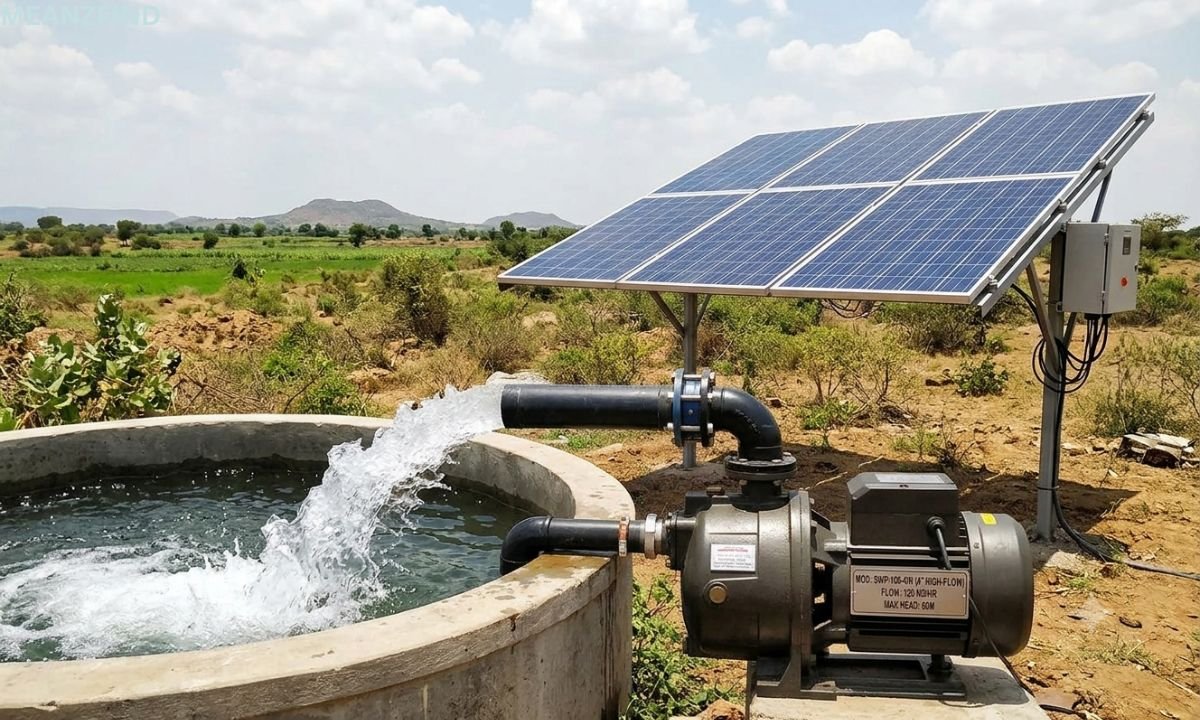
A 4 inch solar water pump is a popular choice for homes and farms in Pakistan. It fits into narrow boreholes and still delivers strong water flow. Many people use it for irrigation, livestock, and daily household needs. It runs on sunlight, so it saves money on electricity bills.
In 2026, prices for these pumps depend on a few key factors. The pump’s power, brand, and the depth of your borehole all affect the final cost. Solar panel quality also plays a big role in the total price. Buyers should compare these factors before making a purchase.
Many Pakistani brands and imported options are available in the market today. Local dealers often offer better after-sales support and easier repairs. Imported pumps may cost more but sometimes last longer. It is wise to check warranty terms before you buy.
This guide will help you understand the full price range for 2026. We will break down costs for different pump sizes and brands. You will also learn about extra expenses like installation and cabling. By the end, you will know exactly what to budget for your solar water pump.
What Is a 4 Inch Solar Water Pump?
A 4 inch solar water pump is a submersible pump built to fit inside a borehole that is 4 inches wide. It runs on power from solar panels instead of normal electricity. This makes it a top choice for farmers, homeowners, and small business owners in Pakistan.
The number “4 inch” refers to the size of the pump body, not the pipe on top. This size is common for medium-depth boreholes used in homes, small farms, and tube wells. It sits between the smaller 3 inch pumps and the bigger 5 or 6 inch pumps used for large fields.
People in Pakistan love solar pumps because of long, sunny days across most of the year. Load-shedding is also a big problem in many areas. A solar pump removes the need for grid electricity completely, once it is installed.
Why 4 Inch Solar Pumps Are So Popular in Pakistan
Pakistan has a mix of rural and urban water needs. Many homes and small farms use boreholes that are exactly 4 inches wide. This makes the 4 inch solar pump the most searched and most sold size in the country.
Here are the main reasons people choose this size:
- It fits standard 4 inch boreholes used in most homes and small farms.
- It offers a good balance between water flow and pump cost.
- It works well for 1 HP to 3 HP motor ranges, which suit most family and small farm needs.
- It is easy to install without heavy machinery.
- Spare parts and repair service are widely available across Pakistan.
This size is not just popular in Punjab and Sindh. It is also common in KPK and Balochistan, where deep water tables need a strong but affordable pump.
4 Inch Solar Water Pump Price in Pakistan 2026 (Quick Overview)
Let’s get straight to the numbers. Prices in 2026 depend on motor power, brand, solar panel wattage, and borehole depth. Below is a simple price table to give you a fast idea.
| Pump Size (HP) | Approx. Price Range (PKR) | Best Use Case |
| 1 HP | 130,000 – 180,000 | Small home, kitchen garden |
| 1.5 HP | 160,000 – 220,000 | Home + small livestock |
| 2 HP | 200,000 – 280,000 | Small farm, 1–2 acres |
| 3 HP | 260,000 – 350,000 | Medium farm, 2–4 acres |
Note: These prices are estimates for a complete system with solar panels, pump, cables, and a basic mounting stand. Prices change with brand quality and market rates.
This price already tells you the big picture. But the real price depends on many small parts. Let’s break each one down so you know exactly where your money goes.
What Affects the Price of a 4 Inch Solar Water Pump?
No two solar pump systems cost the same. Even two homes on the same street can pay different prices. Here is why.
1. Motor Power (HP Rating)
The horsepower, or HP, of the motor decides how much water the pump can push and how deep it can pull water from. A 1 HP motor is cheaper but has less power. A 3 HP motor costs more but handles deeper water and more flow.
Higher HP also means more solar panels are needed to run it. This raises the total price by a good margin.
2. Borehole Depth (Head)
The depth of your borehole is called the “head” in pump language. A shallow 100-foot borehole needs a normal pump. A deep 300-foot or 400-foot borehole needs a stronger, more expensive pump.
Deeper water means the motor has to work harder. This pushes up both the pump price and the panel count.
3. Solar Panel Quality and Wattage
Solar panels make up a big part of the total cost. In 2026, most systems use panels rated between 550 watts and 620 watts each. Panel price is usually quoted per watt.
- Standard panels: Rs 30 to Rs 38 per watt
- Premium bifacial panels: Rs 2 to Rs 3 more per watt, but they produce more power
A system needing 4 to 6 panels will cost noticeably more than one needing only 2 or 3 panels.
4. Brand of the Pump
Local Pakistani brands are usually cheaper. Imported Chinese or European brands cost more but often last longer and come with better warranty support. Buyers should always ask about the motor winding material, since pure copper winding lasts far longer than mixed metal winding.
5. Inverter or VFD Controller
The VFD, or Variable Frequency Drive, controls how the pump runs on solar power. It changes sunlight into usable power for the motor. A good quality VFD costs more but protects the motor from damage during cloudy days or power surges.
6. Mounting Structure
The stand that holds the solar panels also affects price. A simple L2 structure is more affordable. A pole-mounted structure, which tracks the sun better, costs more but gives better output.
7. Cables and Delivery Pipes
Many buyers forget to budget for cables and pipes. These small parts add up fast.
- Submersible cable (4-core copper): Rs 800 to Rs 1,500 per meter
- Delivery pipe (4-inch HDPE or UPVC): Rs 600 to Rs 900 per foot
8. Installation and Labor Cost
Labor charges depend on your city and the installer’s experience. Simple home installations cost less. Farm installations with deep boreholes need more time and skilled labor, which raises the price.
Complete Cost Breakdown Table
Here is a more detailed look at where your money actually goes when buying a full 4 inch solar water pump system.
| Component | Price Range (PKR) | Notes |
| Submersible Pump (4 inch) | 60,000 – 150,000 | Depends on HP and brand |
| Solar Panels (per set) | 80,000 – 200,000 | Depends on wattage needed |
| VFD Inverter/Controller | 25,000 – 60,000 | Protects motor, controls power |
| Mounting Structure | 15,000 – 40,000 | L2 or pole-mounted |
| Cables (per system) | 10,000 – 30,000 | Length depends on borehole depth |
| Delivery Pipe | 8,000 – 20,000 | HDPE or UPVC, 4-inch |
| Installation/Labor | 15,000 – 40,000 | Varies by city and depth |
Adding these together gives a full picture of your investment, not just the pump price alone.
Hidden Costs Many Buyers Forget
Most sellers only quote the “system price.” This can trick buyers into thinking the total cost is lower than it really is. Here are extra costs you should plan for.
Borehole Drilling
If you don’t already have a borehole, drilling is a major cost. This can range from Rs 600 to Rs 1,000 per foot for a proper bore. A 300-foot bore alone can cost Rs 200,000 to Rs 300,000 before you even buy the pump.
Inverter Room
The VFD controller needs a small, clean, and dry room to sit in. A basic brick room can cost Rs 50,000 to Rs 100,000 to build.
Foundation for Solar Structure
The frame holding your solar panels needs a solid concrete base. This usually costs Rs 20,000 to Rs 30,000 depending on the size of your solar array.
Security Fencing
Theft of solar panels is a real problem in rural parts of Punjab and Sindh. A chain-link fence around your solar setup can cost Rs 50,000 to Rs 100,000. Some buyers also add cameras, which come with a monthly cost.
Water Testing
Before buying any pump, it is smart to test your water’s pH and TDS (total dissolved solids) levels. Hard or dirty water can wear out a pump faster than clean water. This small test can save you a lot of repair money later.
How Much Water Can a 4 Inch Solar Pump Deliver?
Water flow is measured in liters per hour or cubic meters per hour. This number matters a lot when you are planning irrigation or daily household use. A pump with a low flow rate may not be enough for a large farm, while a pump with high flow may be more than a small home needs.
| Motor Power | Approx. Flow Rate (Liters/Hour) | Suitable For |
| 1 HP | 3,000 – 5,000 | Home, kitchen garden |
| 1.5 HP | 5,000 – 7,000 | Home + small livestock |
| 2 HP | 7,000 – 10,000 | Small farm, 1–2 acres |
| 3 HP | 10,000 – 15,000 | Medium farm, 2–4 acres |
Flow rate also depends on sunlight hours, cloud cover, and borehole depth. A pump may show its best flow rate only during strong midday sun. Cloudy or winter days can lower output by a noticeable margin.
4 Inch vs Other Pump Sizes: Which One Should You Choose?
Many buyers get confused between pump sizes. Here is a simple comparison to clear things up.
| Pump Size | Best For | Typical HP Range | Price Level |
| 2 inch | Very small home use | 1 – 2 HP | Lowest |
| 3 inch | Small home or garden | 1 – 3 HP | Low |
| 4 inch | Home, small to medium farm | 1 – 5 HP | Medium |
| 5 inch | Medium to large farm | 5 – 10 HP | High |
| 6 inch | Large farm, commercial use | 10 – 25 HP | Highest |
If your borehole is already 4 inches wide, you must use a 4 inch pump. You cannot fit a 5 or 6 inch pump into a smaller borehole. This is why knowing your existing borehole size matters just as much as knowing your water needs.
Solar Pump vs Electric Pump vs Diesel Pump
Many buyers still compare solar pumps with older options before making a final choice. Each type has its own strengths and weaknesses.
| Feature | Solar Pump | Electric Pump | Diesel Pump |
| Running Cost | Almost free after setup | Monthly electric bill | Constant fuel cost |
| Load-shedding Effect | Not affected | Stops during outages | Not affected |
| Upfront Cost | High | Low | Medium |
| Maintenance | Low, occasional cleaning | Low | High, frequent servicing |
| Lifespan | 20–25 years (panels) | 10–15 years | 5–10 years |
| Environment Impact | Clean, no emissions | Depends on grid source | High emissions |
This table shows why so many Pakistani households and farmers are switching to solar in 2026. The upfront cost is higher, but the long-term savings make up for it within a few years.
DC vs AC Solar Water Pumps
Buyers also need to choose between DC and AC pump types. Each one works differently.
DC Solar Water Pump:
- Runs directly on power from solar panels
- No inverter needed in many setups
- Simple design, fewer chances of technical fault
- Works well for smaller homes and gardens
AC Solar Water Pump:
- Needs a VFD inverter to convert solar power
- Handles higher HP motors better
- Common choice for farms and tube wells
- Slightly more complex but more powerful
For small homes, a DC pump is often the smarter and cheaper pick. For farms needing strong, deep water flow, an AC pump with a VFD is usually the better long-term choice.
Another point to think about is future expansion. If you might add more land or livestock later, an AC system with a VFD gives you more room to add extra panels or upgrade the motor. A basic DC system is harder to expand once it is installed.
Final Buying Checklist Before You Purchase
Before you sign any deal or hand over payment, run through this simple checklist. It can save you from costly mistakes.
- Confirm your exact borehole width and depth.
- Calculate your daily water need in liters.
- Get at least three written quotes from different installers.
- Ask for the brand name and origin of the pump motor.
- Confirm the wattage and type of solar panels included.
- Check if the price includes the VFD, cables, and mounting structure.
- Ask about the warranty period for each part separately.
- Find out if installation and testing are included in the price.
- Check if the installer offers after-sales support and repair service.
- Ask about any government subsidy programs you may qualify for.
Going through this list takes only a few minutes but can save you thousands of rupees and months of frustration with a poorly built system.
Best Season to Buy and Install a Solar Pump
Timing your purchase can also affect your total cost. Prices for solar panels and pumps can shift slightly with import rates and seasonal demand.
- Winter months often see slightly lower demand, which can mean better deals from installers.
- Just before summer is the busiest buying season, so prices and installer wait times can rise.
- Buying materials early and installing before peak summer heat gives your system time to be tested and adjusted properly.
How to Choose the Right Size Pump for Your Needs
Picking the correct HP and panel count avoids wasted money and poor performance. Follow these simple steps.
- Measure your borehole depth. This tells you how much “head” your pump must handle.
- Know your daily water need. A home needs far less water than a 3-acre farm.
- Test your water table. Some areas have deeper water tables that need stronger motors.
- Talk to more than one installer. Compare at least three quotes before deciding.
- Ask about warranty. A good warranty protects you from early motor or panel failure.
Government Subsidy Programs in 2026
The government of Pakistan has pushed several solarization programs to help farmers move away from costly diesel and grid power. Programs like the Chief Minister Solarization Program in Punjab cover a large share of the total system cost for eligible farmers.
Under many of these schemes, the government can cover 60% to 80% of the total cost. This leaves the farmer paying only a small part of the full price. Buyers should check with their local agriculture department or district office to see if they qualify for any active 2026 scheme.
These programs usually target small landholding farmers first, since they benefit the most from lower running costs. Applications often need proof of land ownership or a tenancy agreement, along with a basic application form submitted through the district agriculture office. Processing times can vary, so it helps to apply early in the year before the peak farming season begins. Even homeowners in some provinces may find smaller solarization grants aimed at reducing household energy costs.
Tips to Get the Best Price Without Sacrificing Quality
Getting a fair price does not mean buying the cheapest pump on the market. Cheap pumps often fail early and cost more in repairs.
- Always ask for a written quote listing every part separately, not just one lump sum.
- Check if the motor uses full copper winding rather than mixed or silver winding.
- Compare bifacial panels versus standard panels for your budget and roof space.
- Ask the seller for the pump’s brand certificate and warranty card.
- Avoid deals that seem far cheaper than every other quote you received; this often means low-quality parts.
- Ask for the expected lifespan of the pump and panels before buying.
Maintenance Costs to Keep in Mind
A solar water pump is a long-term investment, and small maintenance steps protect that investment.
- Clean solar panels every few weeks to remove dust, which is common in Pakistan’s dry regions.
- Check cable connections yearly for any wear or damage.
- Have the VFD inspected once a year by a trained technician.
- Replace worn seals or bearings in the pump every few years to avoid bigger motor damage.
Regular maintenance is far cheaper than replacing a burnt-out motor. Most maintenance costs stay under Rs 10,000 to Rs 15,000 per year for a well-kept system.
Common Mistakes Buyers Make
Even smart buyers make mistakes when purchasing a solar water pump for the first time. Learning from these common errors can save you money and stress.
- Buying based on price alone. The cheapest system often uses weak panels or poor motor winding, which fail within months.
- Ignoring the borehole depth. A pump that is too weak for a deep borehole will struggle and burn out faster.
- Skipping the water quality test. Sandy or hard water can damage a pump quickly if the wrong pump type is chosen.
- Not asking about warranty terms. Some sellers offer warranty only on the pump, not the panels or the VFD.
- Forgetting extra costs. Buyers often plan only for the “system price” and get surprised by drilling, fencing, or civil work costs.
- Choosing the wrong pump size. Installing a 3 HP pump on a system that only needs 1 HP wastes money on unnecessary panels.
- Skipping professional installation. A poorly installed system can lower efficiency and shorten the life of expensive parts.
Avoiding these mistakes is often more valuable than chasing the lowest price tag.
Best Cities in Pakistan for Solar Pump Installation
Solar water pumps work well almost anywhere in Pakistan, thanks to strong yearly sunlight. However, some regions see slightly higher demand and better installer availability.
- Punjab (Multan, Bahawalpur, Faisalabad): High farming demand, many local installers, and strong subsidy program access.
- Sindh (Sukkur, Hyderabad, Larkana): Growing demand for irrigation pumps due to strong sun exposure.
- KPK (Peshawar, Mardan): Rising interest due to frequent load-shedding in the region.
- Balochistan (Quetta, Turbat): High sunlight hours make solar pumps very efficient, though installer access can be more limited.
No matter your city, the core price factors stay the same: motor power, panel wattage, borehole depth, and brand quality.
Lifespan of Solar Pump Components
Knowing how long each part lasts helps you plan future costs and avoid surprises.
| Component | Expected Lifespan |
| Solar Panels | 20 – 25 years |
| Submersible Pump/Motor | 5 – 10 years |
| VFD Inverter | 8 – 12 years |
| Cables | 10 – 15 years |
| Mounting Structure | 15 – 20 years |
Solar panels almost always outlast every other part of the system. This is why many buyers replace only the pump or VFD after several years, while keeping the same panels running for decades.
Return on Investment: Is a 4 Inch Solar Pump Worth It?
Many buyers worry about the upfront cost. But when you compare it to years of electricity bills or diesel fuel, solar pumps often pay for themselves within two to four years.
Here is a simple way to think about it:
- A diesel pump needs constant fuel, which keeps rising in price.
- A grid-powered pump depends on unreliable electricity and load-shedding.
- A solar pump uses free sunlight every single day, with almost no running cost.
Once the upfront cost is paid, a solar pump gives years of nearly free water pumping. This makes it one of the smartest long-term investments for any home or farm in Pakistan.
FINAL WORD
A 4 inch solar water pump is a smart investment for 2026. It saves you money on electricity every month. It also gives you a steady water supply, even during load-shedding. For farmers and homeowners alike, this makes daily life much easier.
Prices will vary based on your needs and location. Always compare a few dealers before you decide. Check the pump brand, motor quality, and panel wattage carefully. This helps you avoid paying extra for poor quality parts.
Installation and maintenance costs also matter a lot. A good installer will guide you on the right system size. Regular cleaning of solar panels keeps the pump working well. Simple care can add years to your pump’s life.
In the end, a solar water pump pays for itself over time. The upfront cost feels high, but the savings add up fast. It is a clean and reliable choice for the future. Make sure you buy from a trusted seller for the best results.
FAQs
What is the price of a 4 inch solar water pump on OLX in Pakistan?
On OLX, used or slightly older 4 inch solar pump systems often sell for less than brand-new market rates, sometimes between Rs 80,000 and Rs 200,000. Prices vary a lot since sellers list different conditions, HP sizes, and included parts. Always check the pump’s age, motor condition, and panel health before buying second-hand.
What is the price of a Shahzad solar water pump in Pakistan?
Shahzad Pumps is one of Pakistan’s most trusted local brands, known for durable motors and wide dealer availability across major cities. A Shahzad DC solar pump for home use typically costs less than a full AC solar tube well system, while their bigger agricultural models cost more. Exact prices depend on the model, HP, and whether solar panels are included.
What is the price of a 6 inch solar water pump in Pakistan?
A 6 inch solar water pump is built for large farms and commercial use, with HP ratings often ranging from 10 HP to 25 HP. Because of the bigger motor and higher number of solar panels needed, complete 6 inch systems can cost anywhere from Rs 1,000,000 to Rs 2,000,000 or more. The final price depends heavily on borehole depth and panel brand.
What is the price of a 5 inch solar water pump in Pakistan?
A 5 inch solar water pump sits between the 4 inch and 6 inch sizes, usually built for medium to large farms with 5 HP to 10 HP motors. Complete systems generally cost more than a 4 inch setup but less than a full 6 inch system. Prices rise with deeper boreholes and higher-wattage solar panels.
What is the price of a 12V DC solar water pump in Pakistan?
A 12V DC solar water pump is a small, budget-friendly option mainly used for homes, gardens, and light irrigation. These pumps are among the cheapest solar pumps available, often priced far lower than bigger AC submersible systems. They usually need only one or two solar panels and a small battery or panel setup to run.
What is the price of a 2 inch solar water pump in Pakistan?
A 2 inch solar water pump is the smallest common size, suited for very small homes or narrow boreholes. Complete 2 inch systems, including panels and a small pump, generally fall in the lower price range compared to 4 inch or bigger systems. This size is best for light daily water needs rather than farming.
What is the price of a solar submersible pump in Pakistan?
Solar submersible pump prices depend mainly on HP, borehole depth, and panel wattage rather than the pump type alone. Small home submersible pumps cost less, while high-HP farm submersible systems cost significantly more. Buyers should always check whether the quoted price includes the VFD controller, cables, and mounting structure.
What is the price of a 4 inch submersible pump in Pakistan?
A 4 inch submersible pump, whether solar or electric, is one of the most common sizes sold across Pakistan. A complete 4 inch solar submersible system usually falls between Rs 130,000 and Rs 350,000, depending on HP and brand. A non-solar electric version alone, without panels, generally costs much less than the full solar setup.